
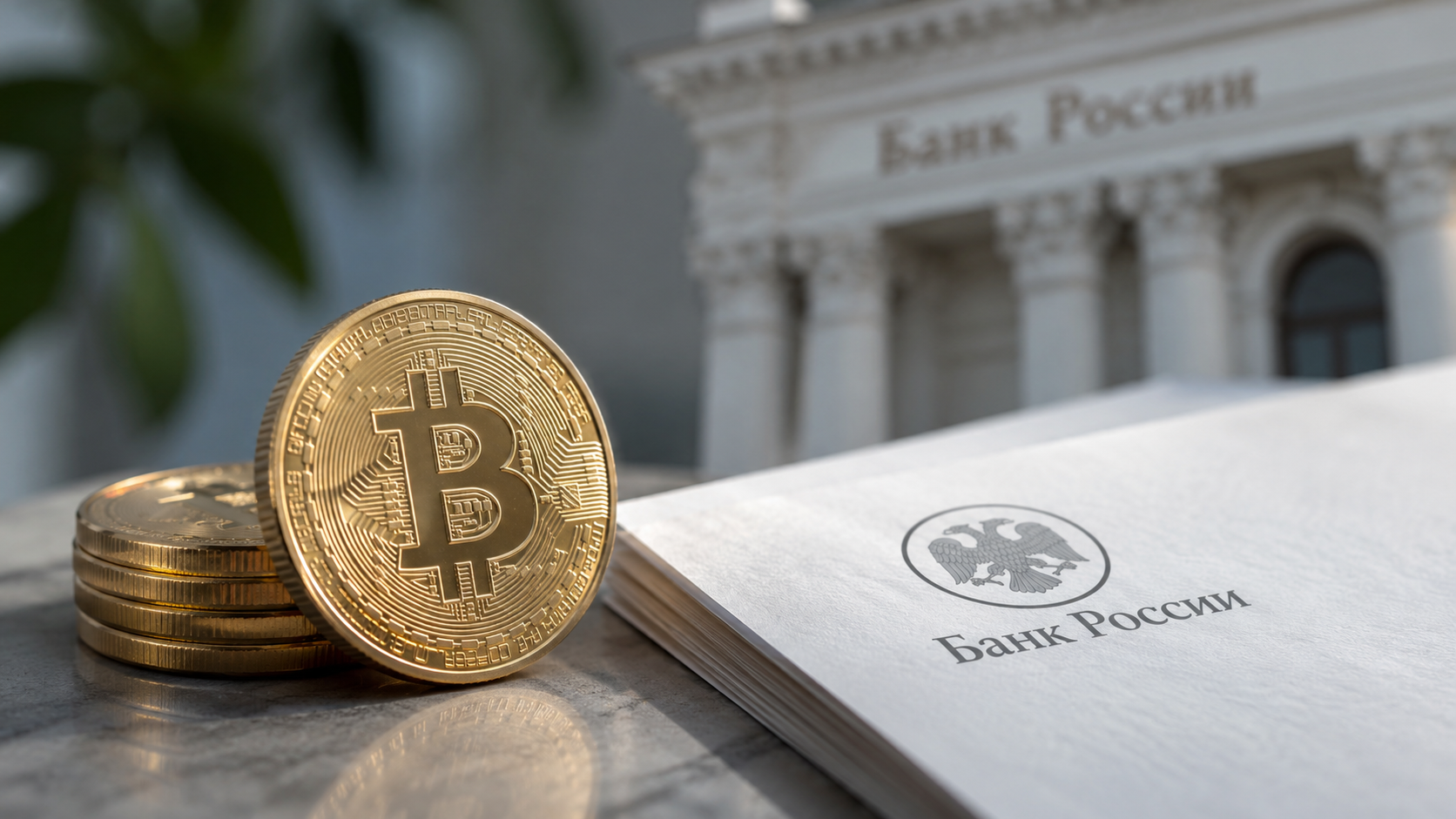
On 12 October 2026, the Bank of Russia published clarifications on Federal Law No. 282-FZ of 4 August 2026, On Digital Currencies and Digital Rights. The guidance addresses transaction arrangements, digital wallets, stablecoins and permitted lending structures. Businesses involved in digital assets should review their legal and operational processes in light of these developments.
P2P transactions and intermediaries
From 1 July 2027, residents that do not themselves organize digital currency circulation will generally be permitted to transact only through or with authorized market participants. Direct peer-to-peer transactions between individuals are not among the statutory exceptions. Businesses should therefore assess whether their operating models require a licensed broker or a registered digital currency exchange organization, and verify counterparties’ regulatory status.
Wallets, transfers and digital depositories
The Bank of Russia has clarified that an individual may not transfer digital currency from a digital account to their own non-custodial wallet. Transfers between individuals using addresses administered by a digital depository are also prohibited. These restrictions are relevant to customer journeys, custody arrangements, contracts and asset-recording procedures.
Stablecoins and organized trading
Foreign stablecoins are subject to Law No. 282-FZ whether, based on their issuance terms, they are classified as digital currencies or foreign digital instruments. Digital currencies themselves are distinct from digital financial assets. The regulator has confirmed that USD Tether (USDT, identification code L09Q657BK) may be admitted to organized trading subject to applicable requirements. The trading organizer makes the admission decision; eligibility does not mean automatic admission.
Digital currency lending
Only specified market participants—including brokers, asset managers, digital currency exchange organizations and clearing organizations—may act as lenders under digital currency loan agreements with brokers. An ordinary customer without the relevant status cannot lend digital currency to a broker under this arrangement. This matters for business models involving the use of customer-held digital assets.
Business implications
The clarifications call for a coordinated review of transaction flows, intermediaries, custody arrangements, contractual terms and internal controls. Early preparation can help businesses reduce legal uncertainty, operational disruption and compliance risks ahead of 1 July 2027.
Recommended next steps
- Review transaction and payment flows, including P2P scenarios and wallet transfers.
- Verify intermediary status and assess the legality of custody and recordkeeping arrangements.
- Update customer and counterparty agreements, including digital currency lending terms.
- Revise internal policies and assign responsibility for implementation.
How Acsour can help
Acsour’s legal team can support the assessment of cryptocurrency-related regulatory risks and the review of contractual and internal documentation in light of the new rules.
Learn more about Acsour Crypto and DFA project support.